Cruise ship refurbishment
Extending vessel lifespans with smart, sustainable upgrades that enhance comfort, safety, and performance.

The Growing Refurbishment Market
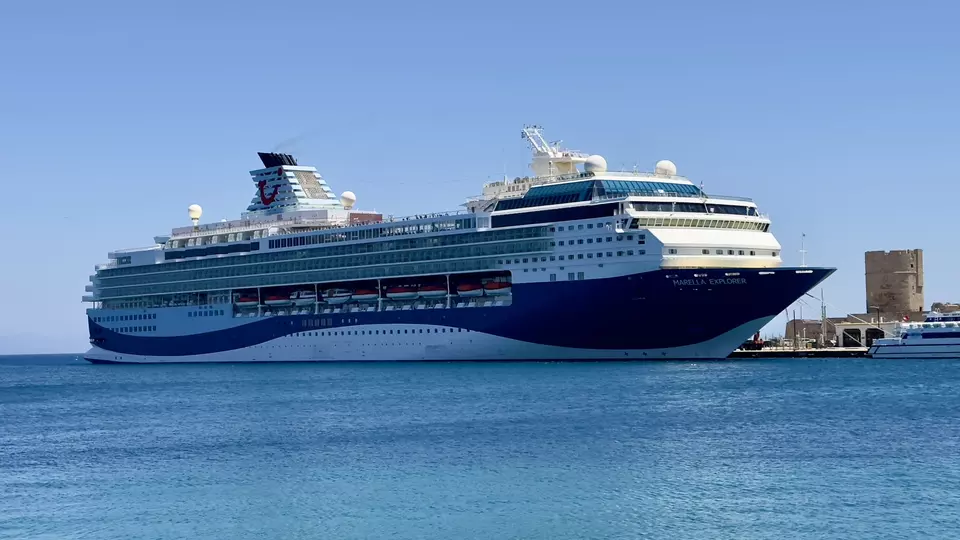
With cruise vessels designed for a service life of up to 40 years and drydock cycles averaging every three years, refurbishment plays a central role in maintaining competitive passenger experiences while meeting evolving regulatory requirements and sustainability goals.
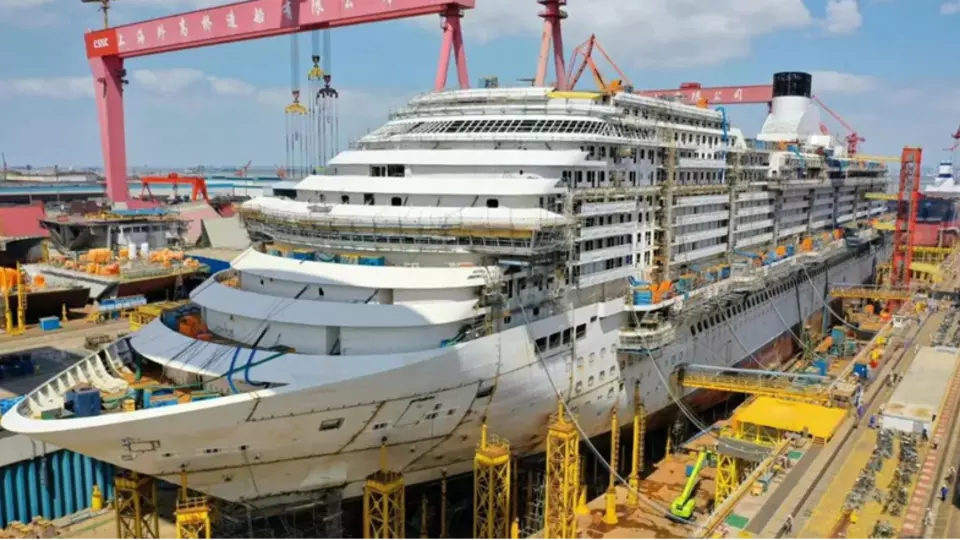
With approximately one-third of the global cruise fleet undergoing drydock each year, this represents over 100 vessels and more than 2,000 drydock days annually, a figure that continues to rise as the global fleet both expands and ages.
Market Growth & Opportunities
The estimated global cruise ship drydock and refurbishment market spend in 2025 is $4 bilion. This acceleration reflects a strategic shift as major cruise lines increasingly allocate capital toward vessel modernization rather than solely pursuing new builds.
Comprehensive refurbishments typically require $25–40 million for mid-sized vessels and $80–150 million for larger ships—representing just 20–30% of new construction costs while extending service life by 10–15 years.
Multiple factors drive this growing refurbishment market: the natural aging of vessels requiring updates to maintain safety and operational standards; increasingly stringent environmental and safety regulations mandating system upgrades; cruise operators' pursuit of improved efficiency and reduced operational costs; and the ongoing need for enhanced security and comfort. Together, these forces create a compelling case for strategic vessel renovation rather than replacement.
The Cruise Refurbishment Journey
Cruise vessel refurbishment follows a distinct lifecycle that balances passenger experience enhancements with operational constraints. The process typically begins 12-18 months before dry dock with strategic planning. Initial concept development soon transitions to detailed engineering, with material specifications finalized 6-8 months before implementation.
Pre-installation involves modular prefabrication to accelerate on-site assembly. Given the industry average of 14 drydock days per project, efficiency is paramount. Drydocking schedules may be as short as five days or stretch into months for larger overhauls, depending on project complexity.
During drydock, specialized trade teams work in parallel across multiple areas, including guest cabins, public venues, and technical systems, under tight coordination. Sea trials follow, validating systems and ensuring vessels meet safety and performance benchmarks before returning to service.
This compressed timeline demands exceptional coordination between all stakeholders, from designers and material suppliers to installation teams and certification authorities.
Product availability & reliable delivery support
Maintaining inventory near major shipyards enables rapid deployment during limited dry dock periods. This proximity reduces logistical risks during time-sensitive refurbishments. Zero-tolerance schedules require dedicated logistics with contingency plans, complemented by responsive technical support and specialists available for immediate deployment to project sites.
Brødrene Dahl plays a central role in the Saint-Gobain Marine ecosystem. As a one-stop-shop wholesaler, Brødrene Dahl provides a wide range of high-quality pipes, valves, fittings, and heating systems ensuring that the right products reach the right place at the right time.
Installation efficiency
Time constraints drive demand for solutions that minimize installation complexity. High-performance materials featuring rapid-cure formulations, simplified application processes, and specialized equipment support enable compressed project timelines while maintaining performance specifications.
For example, Weber’s weberfloor 4660N Marine Elastic is a pumpable self-leveling screed that allows for deck levelling at up to 300 m²/hour. It's ready for foot traffic in just 2–3 hours and allows floor covering installation within 1–5 days (it cures at a rate of 10 mm/day), making it ideal for shipyards with strict time constraints.
Similarly, Adfors Novelio® Fusion wallcoverings help reduce installation times in interior outfitting. These pre-painted fiberglass coverings eliminate the need for on-site painting, offering a clean and fast finish for walls and ceilings. The product’s high durability, up to 25 years in marine conditions and quick application make it ideal for refurbishments where time and longevity are critical.
Advanced materials transforming cruise refurbishment
These critical success factors converge in the development and application of advanced material technologies specifically engineered for cruise applications. Saint-Gobain Marine demonstrates this approach through solutions that address the unique challenges of the cruise refurbishment market:
- Acoustic comfort solutions: Advanced acoustic systems reduce noise transmission between cabins, addressing one of passengers' most frequent concerns while adding minimal weight to the vessel structure. These systems integrate seamlessly with existing bulkheads and deck structures, allowing for rapid installation during tight refurbishment schedules.
- Fire safety: Comprehensive fire protection solutions exceed IMO 2010 FTP requirements while offering improved durability and simplified installation. These systems protect critical evacuation routes while enabling the design flexibility demanded in premium passenger spaces.
- Durability and surface repair: Norton, part of Saint-Gobain’s Surface Solutions portfolio, offers a complete system of abrasives, tools, and accessories designed specifically for marine surface preparation and repair. From heavy sanding and shaping of steel, aluminum, and composites to fine finishing of painted or gel-coated surfaces, Norton ensures fast, high-quality results during refurbishment.
- Sustainability: While operational performance remains primary, sustainability features increasingly influence material selection in cruise refurbishment. Solutions incorporating recycled content, reduced VOC emissions, and improved lifecycle performance metrics support cruise operators' broader environmental initiatives. These sustainability advantages, while secondary to performance characteristics, provide meaningful differentiation in competitive bid scenarios.
Future Outlook
As the cruise industry navigates its post-pandemic renaissance, refurbishment has emerged as a strategic imperative for fleet modernization.
Through continued investment in strategic inventory positions, technical support capabilities, and innovative product development, Saint-Gobain Marine remains committed to addressing the unique challenges of cruise refurbishment projects—where timing, quality, and performance converge to create exceptional passenger experiences while delivering maximum value to vessel operators.
Sustainable choices for your vessel
Discover some of our brands that are already contributing to more sustainable cruise and passenger ships.